Black History Month 2026
Happy Black History Month 2026!
For the past few years, I’ve introduced myself to my students with the sounds of “Teacher Don’t Teach Me Nonsense” Fela Kuti’s 1986 masterpiece. To my ears, Kuti’s genius is a masterclass in navigating the “cacophony of confusion” left by colonization on the ground. The interplay between traditional and Western instruments begs the question: Whose knowledge system is dominating?
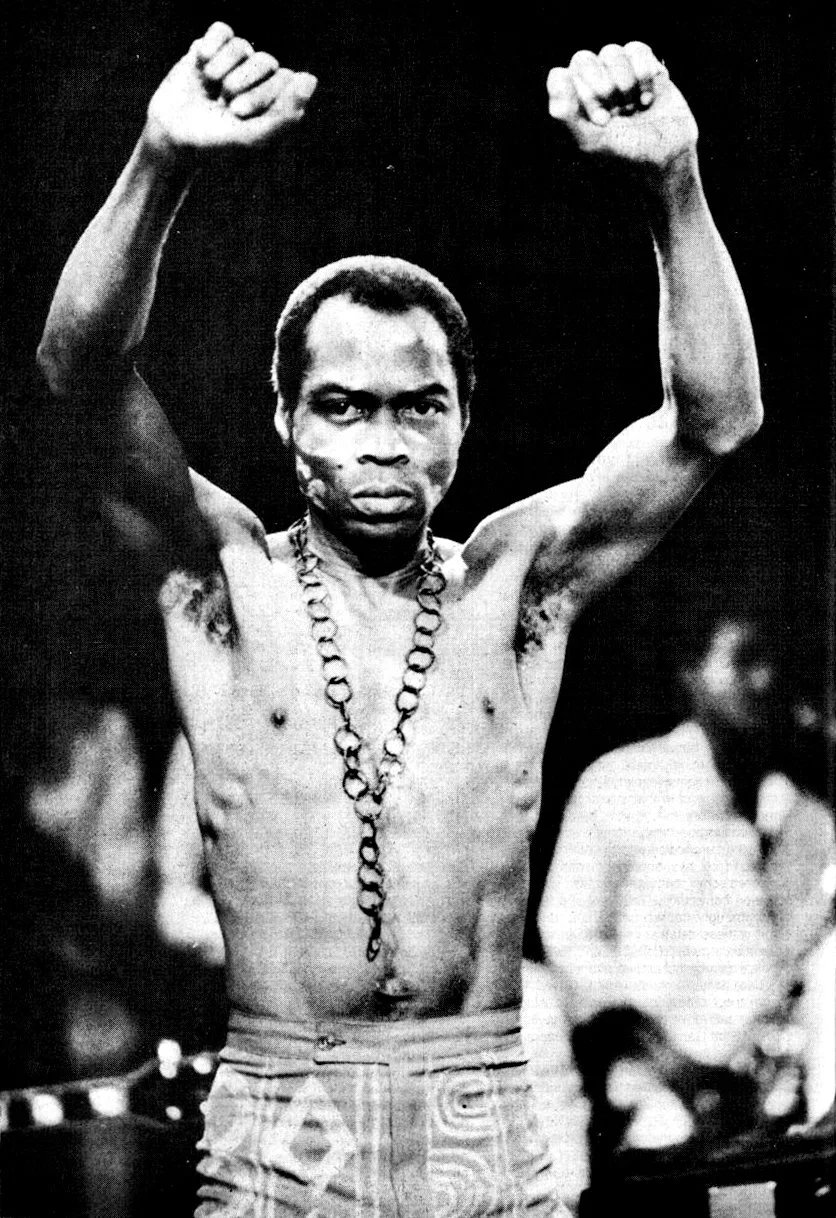
Fela Kuti
This question sits at the heart of my research at the crossroads of race and the history of medicine. I do not approach this work lightly, and this project is for every marginalized person forced to participate in a system of Western healing that was not designed for them and has produced systemic harm.
As today is the start of Black History Month, I reflect on the artists whose music and lived experiences shaped this project, many of whom are pictured above. My dissertation is titled "Stop Making Sense: Race, Psychedelic Drugs, Music, and Human Experience in North America 1950-2025".
When I wrote my master’s thesis at the College of Charleston, I harped on the psychedelic consumption of Jimi Hendrix, John Coltrane, Miles Davis, Bakar, Big Boi, and made any connection to BIPOC musicians I could. With this project, I want to capture a broader ensemble effect of users and am building on the same cultural approach to illustrate the totality of the psychedelic ecosystem.
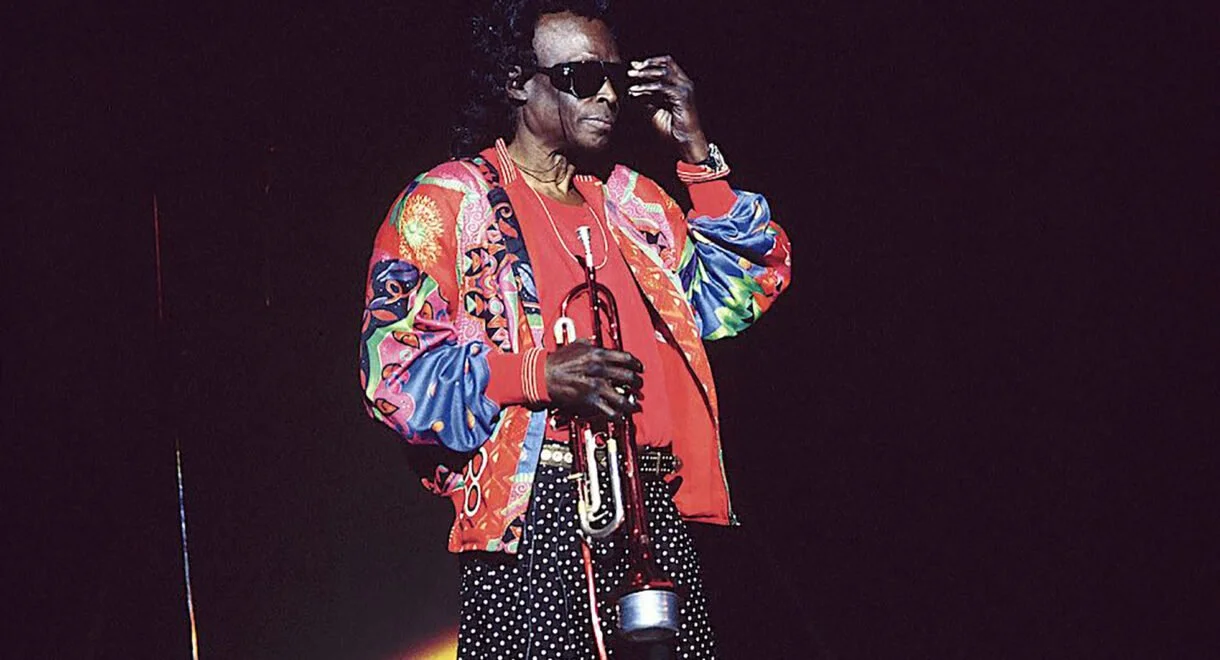
Miles Davis
I am excited to announce that I’m seeking 30+ BIPOC participants to help complete my oral history dissertation project aimed at decolonizing psychedelic knowledge over the next few years. I’m looking for musicians, poets, artists, filmmakers, activists, and facilitators to share their stories. Participants can be from any BIPOC background, and you don’t have to disclose your personal use or identity. My interest is in social/cultural upbringing and in any subsequently divergent knowledge systems produced through lived experience. If you or anyone you know is interested in participating, please reach out, and I can send out more info. We can do this over Zoom or in person anywhere in SC, MN, or CO.
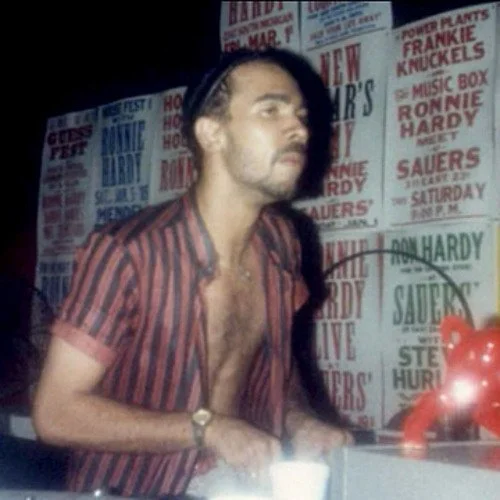
Ron Hardy
The multifaceted, colorful tapestry of sound informing my understanding of the BIPOC psychedelic ecosystem ranges from reflections on the universal nature of humanity in the lyrics of late 1960s artists like Sly Stone, Arthur Lee, and Jimi Hendrix (all in mixed-race groups well ahead of their time). The funkadelic mothership era romp music of George Clinton and Parliament in the mid 70s. To the trance beats of Ron Hardy, Phuture, and the Chicago acid house scene that was heavily BIPOC and LGBTQIA, defining an entirely new sonic dimension of psychedelic music. Rap music makes up a major dimension of my analysis as interpreting what substances the users are on is often not up to interpretation when musicians broadcast the dollar value per ecstasy pill purchased, as Gucci Mane does, or when they speak about Molly as candidly as Danny brown does.
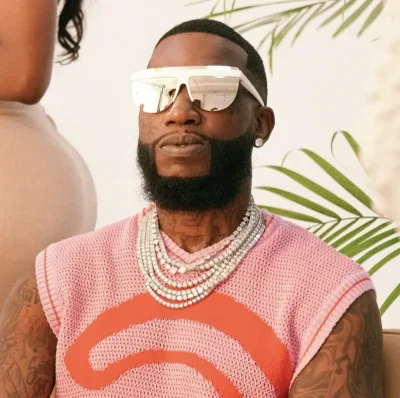
Gucci Mane
I want this project to document the voice of the underbelly of the movement that has been present all along, but almost silenced in academic form upon the medicalization of psychedelics and the return to research in the 1990s. While researchers began to ask if MDMA could be a cure for PTSD, rap music and trance scenes ran with a very different message around the substance on the street. Today the gambit of MDMA rap has gone full circle with songs infused with positive depictions of the substance outside of the purview of a recreational intoxicant. Lyrics about psilocybin, LSD, DMT, and all are now featured in the music of the Underachievers, Flatbush Zombies, ASAP Rocky, Cambatta, Ab-Soul and more.
Stay tuned to hear more and to read the final form sometime in the future.
Peace & Love,
Will